Why a Rootbound Plant Looks Thirsty, Not Hungry
Quick Answer: A rootbound plant has filled its pot with roots and has almost no soil left to hold water, so it dries out within a day or two no matter how thoroughly you water it. The symptoms - drooping, crisping edges, rapid drying - look exactly like underwatering or a feeding problem, which is why people water more and fertilise more and watch the plant decline anyway. The only real fix is a bigger pot or a root prune, and late August is close to the last good window for it this year.
Here is how to tell rootbound apart from the things it imitates.
What actually goes wrong when a plant is rootbound?
The pot stops being a soil container and becomes a root container.
Soil holds water; roots do not. A healthy pot is mostly growing medium with roots distributed through it. A rootbound pot can be 80 to 90 percent root mass by volume, which means there is almost nothing left to store moisture between waterings.
So water passes straight through. It runs down the gap between the root ball and the pot wall, out the drainage hole, and very little of it is retained. You watered thoroughly and the plant is dry by tomorrow, which reads as ‘needs more water’ when it actually means ‘has nowhere to put water’.
Nutrient uptake fails at the same time. Nutrients move to roots dissolved in soil water. No water retention means no nutrient delivery, which is why fertilising a severely rootbound plant does nothing - and can burn the roots, because the fertiliser sits concentrated in a pot with no moisture buffer.
The root ball can also become hydrophobic. Once a dense, peat-heavy root ball dries fully, it repels water rather than absorbing it - water beads and runs off. At that point even a long soak may not rehydrate the interior.
And roots begin to circle and strangle. Roots hitting the pot wall turn and spiral. Over time this constricts the plant’s own vascular tissue and produces a decline that continues even after repotting if the circling roots are not cut.
How do you tell rootbound from overwatering or underwatering?
The symptoms overlap heavily, but the timing does not.
Rootbound: dries out very fast, wilts on a predictable short cycle, recovers fully after watering. The giveaway is the interval - a plant that needed water weekly and now needs it every two days has not changed its habits; its pot has changed.
Underwatering: soil is dry throughout, plant wilts, recovers on watering, and the interval is normal. If the soil is genuinely dry and the pot still feels light and loose, it is a watering habit problem.
Overwatering: soil stays wet, leaves yellow rather than crisp, wilting happens while the soil is wet, and there is often a sour smell. Wilting with wet soil is the single most useful diagnostic in houseplant care - it means the roots cannot take up water, which is usually root rot.
The physical checks that settle it:
Look at the drainage holes. Roots emerging from the bottom is a strong signal, though not a reliable one alone - some plants push a root out early.
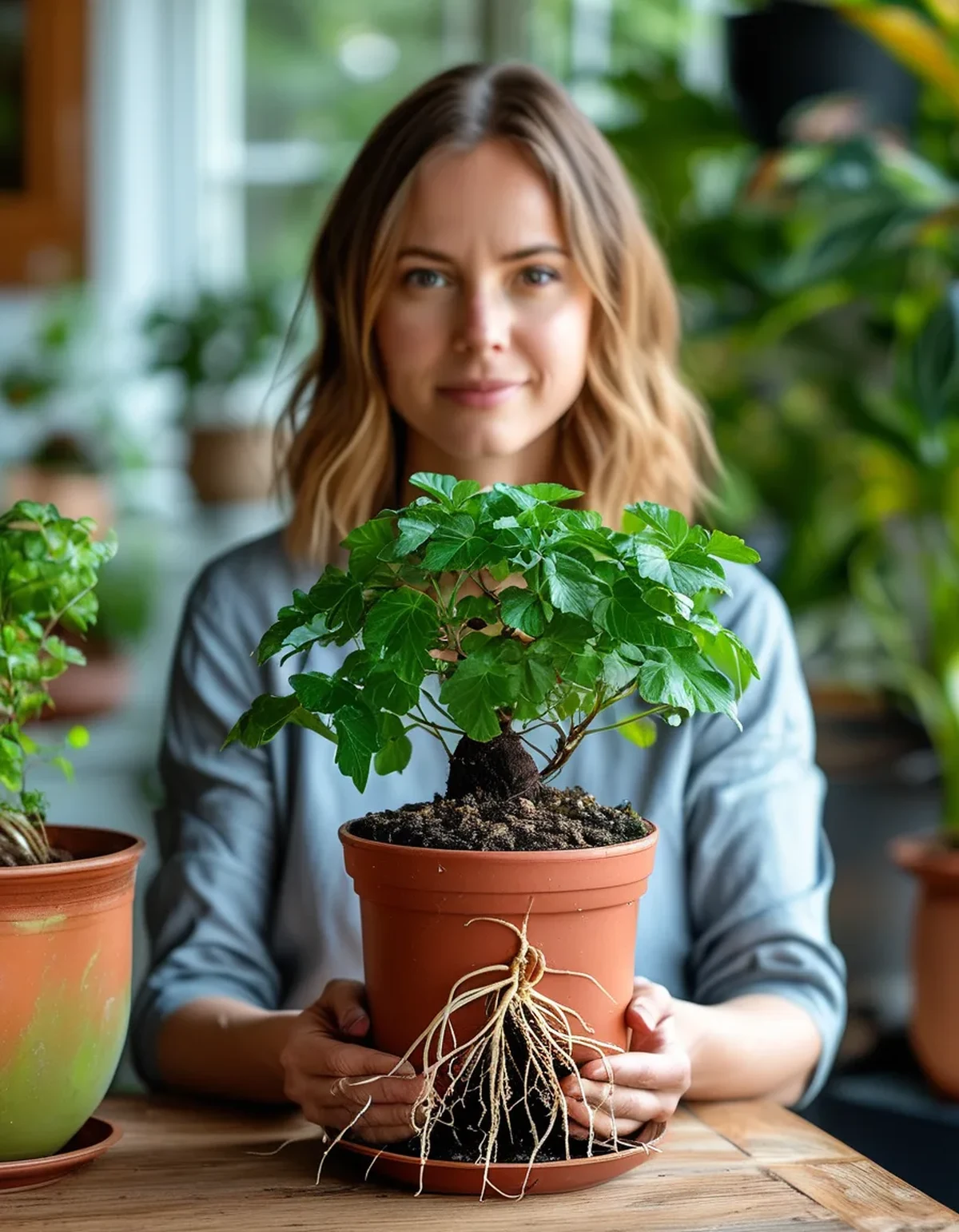
Lift the plant out. This is definitive and takes 30 seconds. Tip the pot, support the stem, and slide the root ball out. A dense mat of circling roots with little visible soil is your answer.
Check the pot shape. A plastic pot bulging or a plant that has become physically difficult to remove is well past due.
Weigh it. A rootbound pot feels light almost immediately after watering, because there is little water being held.
Is late August still a good time to repot?
Yes - and it is close to the last comfortable window of the year.
Repotting works best during active growth, because the plant regenerates disturbed roots quickly. Late summer still counts in most homes: light levels are good, temperatures are warm, and the plant has weeks of growing conditions ahead.
By late autumn, growth slows. Shorter days and lower light mean fresh soil stays wet far longer than the plant can use, which is exactly the condition that causes root rot. Repotting a dormant plant into a larger volume of moist soil is a well-known way to kill it.
So the practical calendar: repot now if it needs it, be more cautious through September, and by late autumn either wait until spring or - if the plant is genuinely struggling - pot up minimally and water very sparingly.
The exception is emergency repotting. Root rot, a broken pot, or severe pest infestation in the soil justifies repotting at any time of year. A struggling plant left in bad soil does not improve by waiting.
One more seasonal note: the light drop that begins in September changes watering needs across your whole collection anyway. A plant repotted now has time to settle before that shift, which is a genuine argument for doing it this month rather than next.
What Nobody Tells You About Repotting
Bigger is not better. Go up one pot size - roughly 2 inches (5cm) in diameter for most plants. A pot far larger than the root ball holds a mass of soil the roots cannot reach, which stays wet, and that is a direct route to root rot. The common instinct to ‘give it room to grow’ is the most frequent repotting mistake.
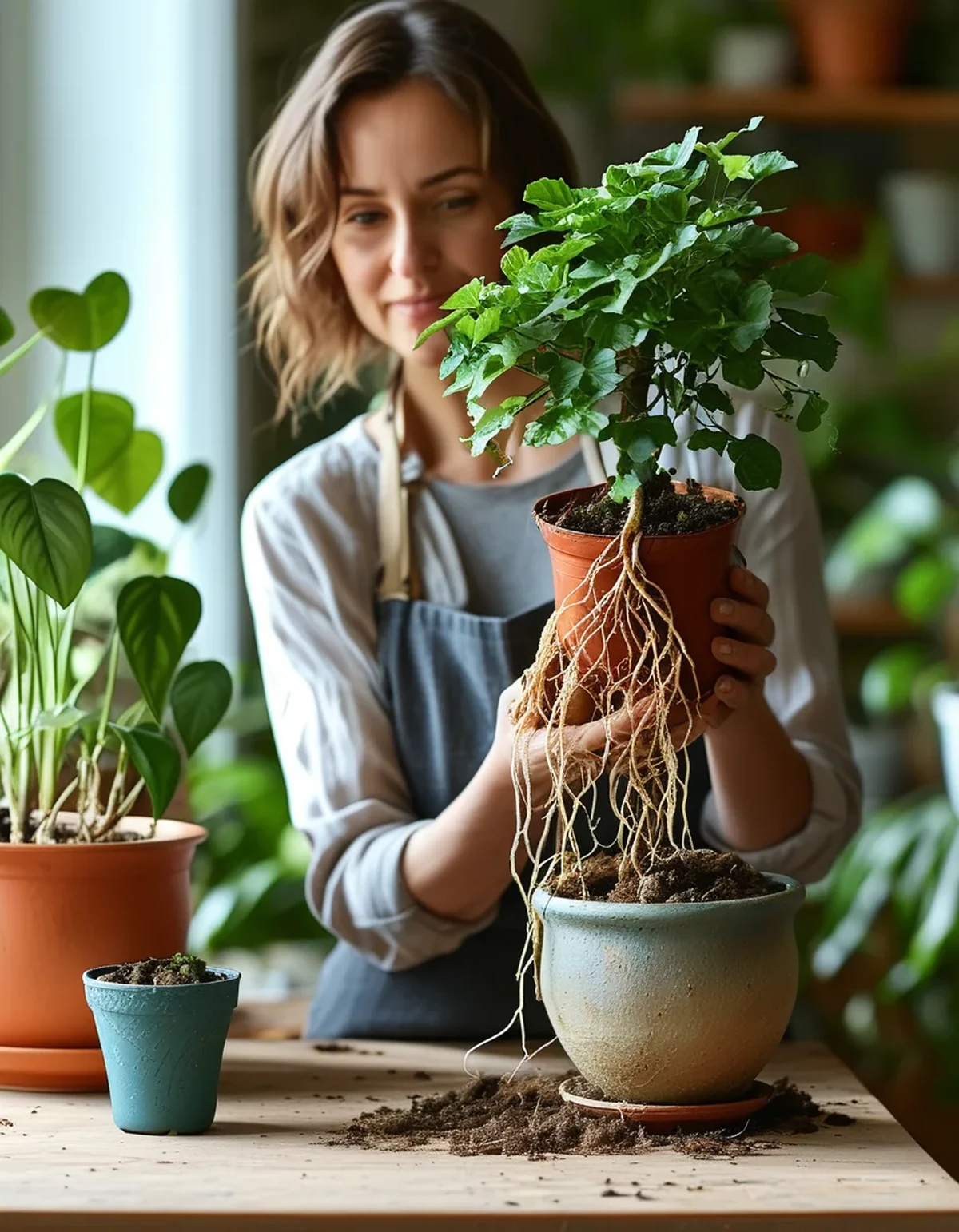
You should disturb the roots, not just slide it across. Gently tease the outer roots loose. If roots are circling tightly, cut them - vertical slices down the sides of the root ball with a clean knife, three or four of them. It feels violent and it is correct: circling roots continue circling in the new pot if you do not interrupt them.
Do not fertilise straight after repotting. Fresh potting mix generally contains nutrients, and freshly disturbed roots are sensitive. Wait four to six weeks.
Water thoroughly once, then leave it alone. The instinct to nurse a newly repotted plant with frequent water is exactly wrong - there are now fewer roots relative to soil, so the pot dries more slowly than before.
Expect a stall. Some leaf droop or a few weeks of no new growth after repotting is normal transplant response, not failure. Judge the outcome at six weeks, not at six days.
And the counterintuitive one: some plants prefer being tight. Peace lilies, spider plants, aloe, and several others flower or perform better slightly rootbound. Rootbound is a problem when it causes symptoms - not automatically.
How do you repot without setting the plant back?
A sequence that avoids the common failures.
1. Water the day before. A hydrated root ball comes out intact; a bone-dry one crumbles and tears roots. This single step prevents most transplant shock.
2. Choose one size up, with drainage. 2 inches (5cm) larger in diameter. A pot without a drainage hole is not a pot - it is a reservoir, whatever the shop said about a layer of gravel. (Gravel at the bottom does not improve drainage; it raises the saturated zone.)
3. Remove the plant and inspect the roots. Healthy roots are firm and pale. Brown, mushy, or foul-smelling roots mean rot - cut those away entirely with clean scissors before repotting.
4. Loosen or cut the outer roots. Tease them apart. For a tight, circling root ball, make three or four vertical cuts down the sides and gently splay the base outward.
5. Do not bury the stem deeper than it was. Same soil line. Burying the stem is a reliable way to cause rot at the crown.
6. Use fresh mix appropriate to the plant - free-draining for most aroids and succulents, more moisture-retentive for ferns. Do not reuse depleted soil, which has lost its structure and drains poorly.
7. Water thoroughly once, then wait. Water until it runs from the drainage hole, tip away anything in the saucer, and let the top of the soil dry before watering again.
8. Keep it out of direct sun for a week or two and skip the fertiliser. Bright indirect light and patience is the whole aftercare programme.
FAQ: Rootbound Plants, Answered
How often should most houseplants be repotted?
Roughly every one to two years for fast growers, and every two to three for slow ones. But calendar timing matters less than symptoms - fast drying, roots out the drainage hole, and a root ball that holds its pot shape are the real signals.
Can I just add soil to the top instead?
Top-dressing helps a little and buys time, but it does not solve a pot filled with roots. It also risks burying the stem if you add too much.
Is it bad to go up two pot sizes at once?
Usually yes. A pot much larger than the root ball holds wet soil that roots cannot reach, which is one of the most common causes of root rot after repotting.
Should I cut the roots?
If they are circling tightly, yes - three or four vertical slices down the sides of the root ball, then splay the bottom outward. Rotten roots should be cut away entirely. Healthy, non-circling roots need only gentle loosening.
Is late summer too late to repot?
No, late summer is still a workable window in most homes. By late autumn it becomes riskier, because fresh soil stays wet longer than a slow-growing plant can use.
My plant wilted right after repotting - did I kill it?
Probably not. Some droop is a normal transplant response. Keep it in bright indirect light, water once thoroughly and then only when the top of the soil dries, skip fertiliser, and judge it at six weeks.
TL;DR:
- A rootbound pot is mostly roots and almost no soil, so it cannot hold water - the plant dries out in a day or two regardless of how much you water.
- The tell is the interval, not the symptom: a plant that suddenly needs water twice as often has a pot problem, not a habit problem.
- Wilting with wet soil means root rot; wilting with fast-drying soil means rootbound. That distinction settles most cases.
- Fertilising does not help - no water retention means no nutrient delivery, and concentrated fertiliser in a dry pot can burn roots.
- Go up one pot size (about 2 inches / 5cm), never several - oversized pots cause rot.
- Cut circling roots, do not just transplant them; they keep circling otherwise.
- Late August is near the last comfortable repotting window before autumn light drops and fresh soil starts staying wet too long.
Lift the plant out of the pot. Thirty seconds of looking beats a month of guessing.
Keep Reading
This article is for general informational and styling purposes only. Fit, sizing, and product availability may vary.