Leaving Your Plants for Two Weeks: The Vacation Survival Setup
Quick Answer: Thirty minutes of prep gets most houseplants through two weeks alone. Three days before you leave: water everything thoroughly, move plants back from bright windows (less light means less thirst), group them together for shared humidity, and deal with any pests now. Then set up watering — a cotton wick from a water jar, terracotta bottle spikes, or the bathtub method for the thirsty ones. Snake plants and ZZs need nothing at all.
You’ve packed, you’ve printed the boarding passes, you’ve arranged for the mail.
Then you notice the shelf.
Twelve plants, fourteen days, no supervision. The good news is this is a thirty-minute problem, and thirty minutes is the difference between coming home to triage and coming home smug.
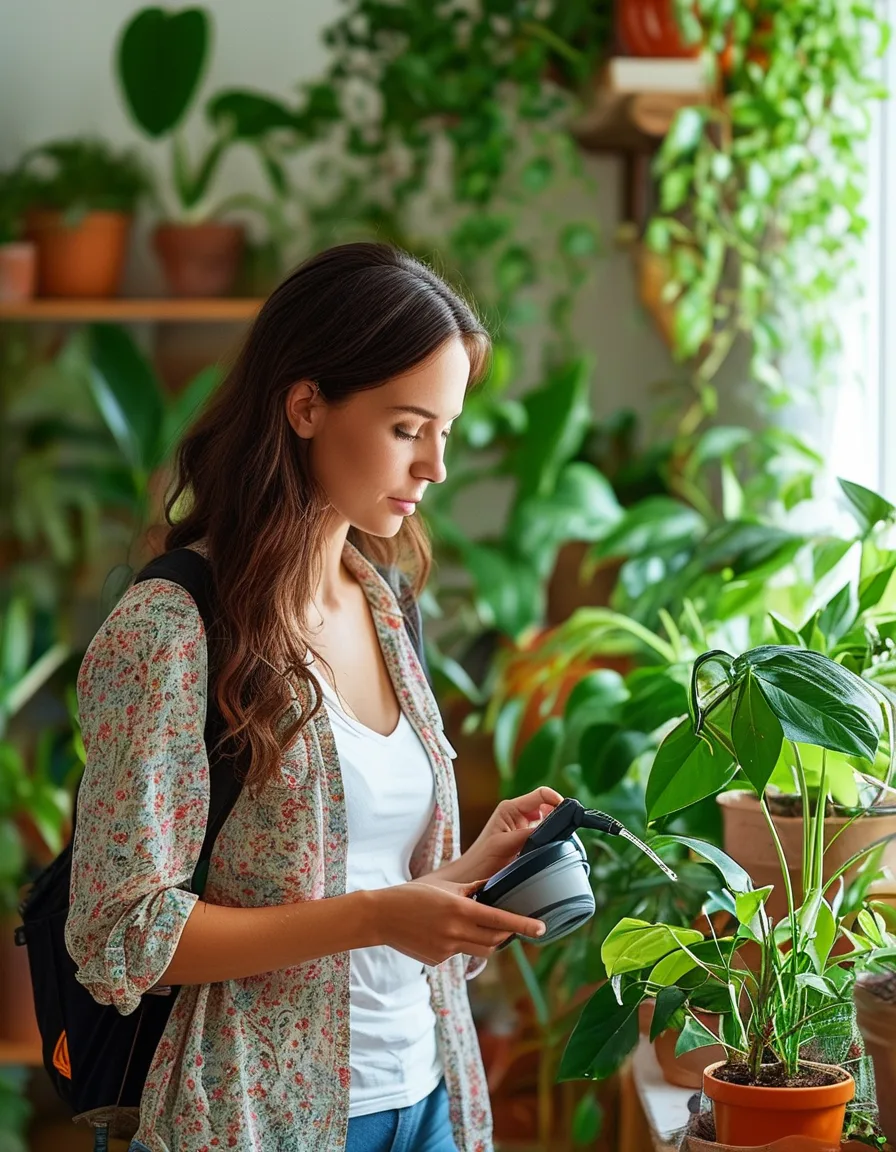

What should you do before you leave?
Start three days out, not the night before. Four moves.
Water everything thoroughly. Not a splash — a proper soak until water runs from the drainage holes, then let it drain fully. Doing this three days ahead rather than the morning of means plants leave in a well-hydrated but not waterlogged state, which is what you want. Soggy soil plus two weeks of no airflow is how root rot happens.
Move plants back from bright windows. This is the vacation dimmer switch and it’s the most underused trick here. Less light means less photosynthesis, which means less water demand. Pulling a plant 4 or 5 feet back from a south-facing window can meaningfully extend how long its soil stays moist. Two weeks in dimmer light costs a plant almost nothing.
Group them together. Plants clustered close together create a shared humid microclimate as they transpire — mutual aid, essentially. It also makes any watering setup easier to build in one place.
Evict pests now. Two unsupervised weeks is a spider mite honeymoon. Inspect undersides of leaves, treat anything you find, and don’t leave a known problem to compound.
What’s the best self-watering setup for a trip?
Three tiers, in increasing order of commitment.
The wick method. Run a length of cotton string or a strip of cotton fabric from a jar of water into the soil, burying an inch or two of the wick. Capillary action moves water along the string at roughly the rate the soil dries. It’s cheap, it’s quiet, and it handles about two weeks for a medium pot with a decent-sized jar.
Bottle spikes. The upside-down water bottle, improved considerably by the terracotta spike versions — unglazed clay releases water as the surrounding soil dries rather than dumping it all at once, which is what plastic spikes tend to do. Around $3–$8 each and reusable.
Actual self-watering pots. A reservoir built into the planter, wicking up as needed. Worth it if you travel often or have a few plants you’d genuinely mourn.
The rule that matters more than which system you pick: test it a week before the trip. Set it up, watch what it does for five days, adjust. A wick that’s too thick floods a pot; a bottle spike in loose soil can empty in a day. Vacation is not the pilot program.
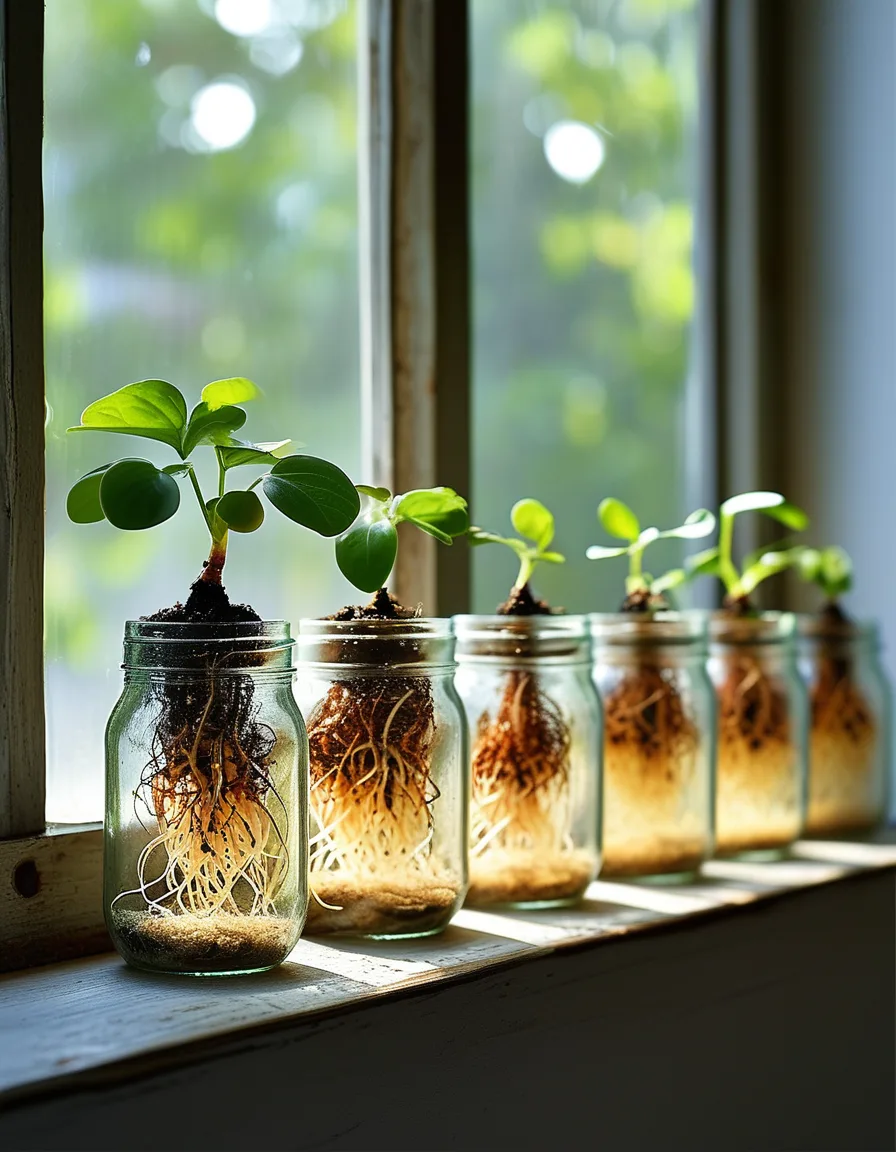
What is the bathtub method?
The DIY greenhouse, and it has saved more ferns than any gadget on the market.
For trips of two weeks or more, gather your thirstiest plants — ferns, calatheas, marantas, anything that sulks the moment it dries — and set them in the bathtub on a thoroughly soaked towel, with about an inch of water in the tub. Draw the shower curtain to trap humidity.
The soaked towel wicks moisture up into the pots from below, the standing water keeps the towel wet, and the closed curtain holds humidity at a level these plants actually like. Two weeks is well within its range.
The light problem: most bathrooms are dark. If yours has a window, position plants near it. If it doesn’t, this method is best reserved for genuinely low-light-tolerant thirsty plants, or run a cheap timer-controlled grow light. A plant in total darkness for two weeks will survive but won’t be happy.
Don’t put succulents, cacti, or snake plants in the tub. That’s a different kind of homecoming.

What if you have a long trip or precious plants?
Three realist clauses.
Some plants need literally nothing. Snake plants, ZZ plants, cast iron plants, pothos, and most succulents will handle two weeks — often four — with no intervention at all. That drought tolerance is exactly why they’re on every “unkillable” list. Water them well before you go and then leave them alone.
A plant sitter beats every gadget for the ones you care about. One mid-trip visit from a neighbor with clear written instructions (“these four get water, nothing else, don’t be creative”) outperforms any system. Leave a note per plant rather than general instructions — well-meaning over-watering is the most common sitter casualty.
One loss per long trip is tuition, not failure. Collections have attrition. A plant that didn’t make it tells you something about that plant’s needs, and the collection as a whole survives. The smugness compounds over subsequent trips.
What Nobody Tells You
- Overwatering before you leave kills more plants than the trip does. Thoroughly watered is not the same as standing in water. Let pots drain completely before you group them.
- Air conditioning dries soil faster than heat. A cooled, dehumidified apartment can dry a pot more quickly than a warm humid one. Consider raising the thermostat a few degrees while you’re away.
- Terracotta pots dry out roughly twice as fast as plastic. If a plant lives in unglazed clay, it needs more attention in your setup than its neighbor in a plastic nursery pot.
- Wick material matters. Cotton works. Synthetic cord often doesn’t wick at all, and people discover this on day nine.
- Grouping plants also spreads pests. Which is exactly why the pest check comes first, before you cluster everything together.
FAQ
How long can houseplants go without water?
It varies enormously by species and conditions. Snake plants, ZZ plants, and most succulents comfortably manage 3 to 4 weeks. Pothos, philodendrons, and rubber plants generally handle 2 to 3 weeks. Ferns, calatheas, and prayer plants often start suffering after 5 to 7 days, which is why they’re the ones that need a watering system or the bathtub.
Do self-watering spikes actually work?
Terracotta spikes work reasonably well because unglazed clay releases water gradually as the surrounding soil dries. Plastic bottle spikes are less reliable — in loose or fast-draining soil they can empty within a day or two, and in dense soil they may barely release at all. Either way, test the setup for several days before you leave rather than trusting it blind.
Should you fertilize plants before going on vacation?
No — hold off. Fertilizer encourages new growth, and new growth demands more water at exactly the moment you’re not there to provide it. Fertilize after you get back, when you can water normally and the plant can actually use the push.
TL;DR:
- Start three days out: water thoroughly, move plants back from windows, group them, deal with pests.
- Less light means less thirst — pulling plants back from a bright window is the most underused trick.
- Watering options: cotton wick from a jar, terracotta bottle spikes, or self-watering pots.
- Test whatever system you choose a full week before the trip.
- Bathtub method for thirsty plants: soaked towel, an inch of water, curtain drawn.
- Snake plants, ZZs, and succulents need nothing for two weeks.
- Don’t fertilize before you go, and leave a sitter per-plant notes rather than general ones.
Keep Reading
This article is for general informational and styling purposes only. Fit, sizing, and product availability may vary.