The Plant Shelf: Houseplants for Women Who Have Killed Houseplants Before
Somewhere in your past sits a small memorial: the succulent that mushed, the fern that crisped, the orchid that ghosted you entirely — and a conclusion that you are simply not a plant person. Here is the redemption arc: plant person is not a genetics category, plant deaths follow a shortlist of fixable causes (spoiler: you loved them to death with water), and the wellness research on indoor greenery is strong enough to justify one more attempt. This is the guide for the previously lethal: five nearly unkillable starters, the care rules that actually matter, and the case for why green rooms are good rooms.
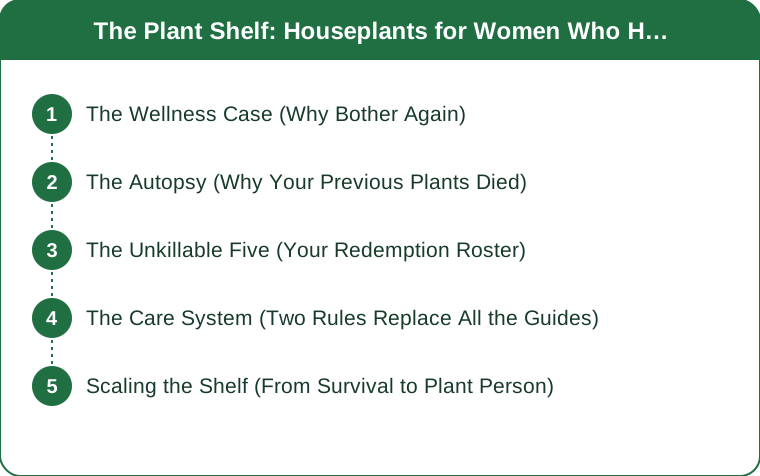
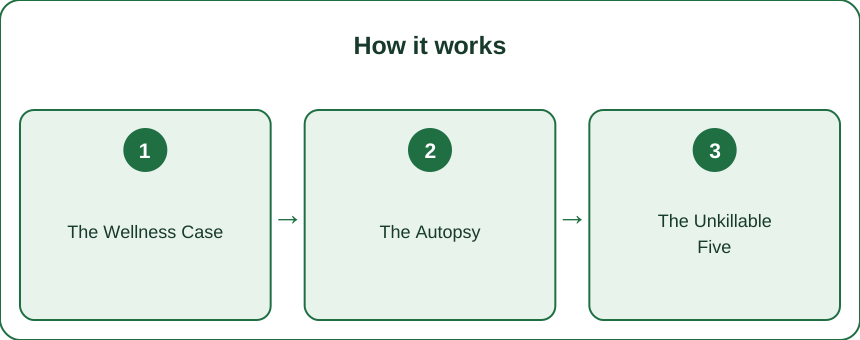
The Wellness Case (Why Bother Again)
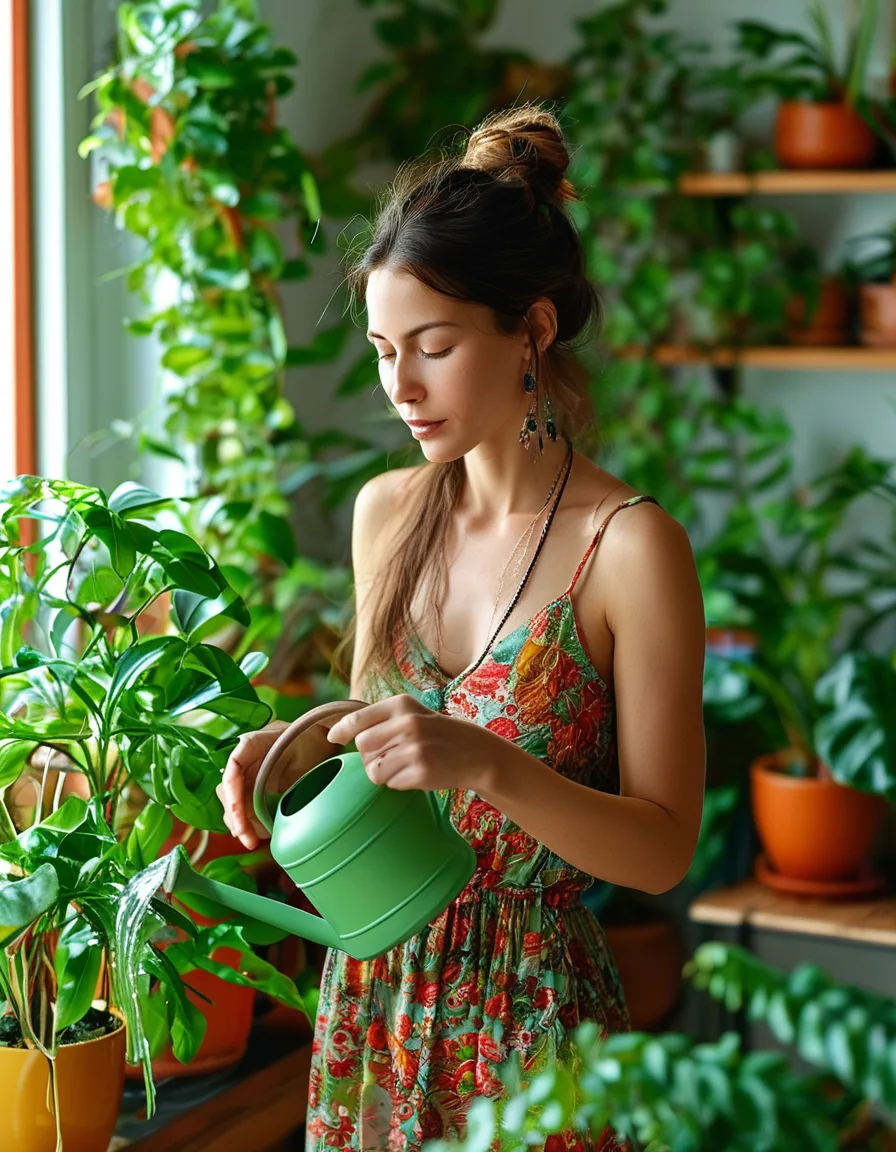
The research worth knowing: indoor plants associate with measurable stress reduction (studies show interacting with houseplants — even just repotting and tending — lowers physiological stress markers versus computer tasks), attention restoration (the same green-exposure effects driving the forest-bathing literature operate at windowsill scale — modestly, but at daily dose), improved perceived air quality and room satisfaction (the famous NASA air-purifying claims got exaggerated by marketing — real filtration requires implausible plant density — but the psychological freshness effect is well documented), and the caretaking effect: tending something living provides routine, small wins and morning ritual (the reason plant care surged among young women during isolated years — it is companionship-adjacent, on a manageable scale). A shelf of thriving green is not décor. It is a low-grade, daily-dose wellness intervention that also looks great on the shelf.
The Autopsy (Why Your Previous Plants Died)
The cause-of-death rankings, for closure: overwatering is the runaway killer (the loving-them-to-death classic — soggy soil suffocates roots and invites rot; the wilting that overwatered plants display reads as thirst and triggers more watering: the death spiral of good intentions), wrong light miscast (the corner that would look great with a plant is usually a light desert — plants placed for aesthetics rather than photosynthesis; south and west windows are bright, north windows are dim, and five feet from any window cuts light dramatically), the drainage-free pot trap (the cute pot with no hole is a root bathtub — water in, never out), and neglect a distant fourth (true under-watering kills slower and rarer than its reputation — most died-of-thirst verdicts were misdiagnosed rot). The liberating pattern: every major killer is a habit, not a talent deficiency. Water less, match light, demand drainage holes — the redemption is mostly subtraction.
The Unkillable Five (Your Redemption Roster)
The starter team, selected for surviving you: the snake plant (the champion — tolerates dim corners, erratic watering and general neglect; wants water roughly every 2–4 weeks and forgives forgetting; architectural enough to look intentional), the pothos (the trailing confidence-builder — grows visibly fast in almost any light, droops dramatically when thirsty and recovers within hours of watering: a plant with legible communication), the ZZ plant (glossy, sculptural, and drought-tolerant to an almost insulting degree — the travel-often plant), the spider plant (cheerful, prolific, produces babies you can pot and gift — the gateway to plant-person identity), and the rubber plant or philodendron for the slightly-bright spot. Deliberately absent from the roster: ferns (humidity divas), orchids (their own hobby), succulents (the counterintuitive beginner trap — they demand intense light most homes lack, and their die slowly by inches thing wrecks confidence), and anything labeled fussy sold near checkout. Win with the five first. The divas can audition next year.
The Care System (Two Rules Replace All the Guides)
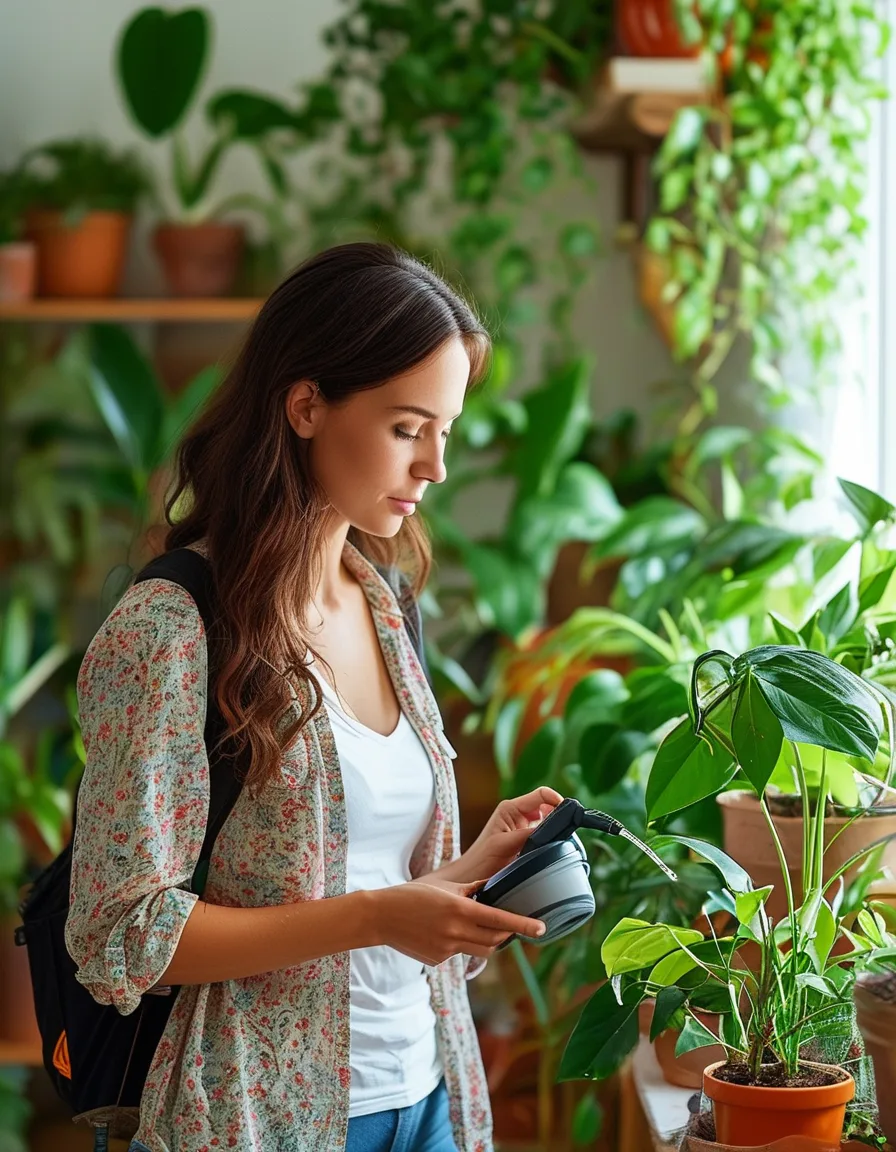
The entire operating manual: rule one — check before watering (finger two inches into soil: damp means walk away, dry means water thoroughly until it runs from the drainage hole, then stop until dry again; this single habit prevents the number-one killer and replaces every watering schedule ever printed — plants drink by conditions, not calendars), rule two — match plant to light, not to shelf aesthetics (audit your actual windows first, place accordingly, and rotate pots a quarter-turn at watering so growth stays even). The supporting cast: drainage holes non-negotiable (nursery pot inside the cute pot is the standard cheat), wipe dusty leaves occasionally (dust is a sunshade), repot only when roots circle the pot (every year-or-two, one size up — not the instant-repot ritual that stresses new arrivals), and feed sparingly in the growing season (dilute fertilizer monthly, spring through summer — the most skippable step on the list). Total weekly time for a five-plant shelf: ten minutes, most of it pleasant finger-in-soil puttering. That puttering, per the research above, is the wellness feature — not the chore.
Scaling the Shelf (From Survival to Plant Person)
The progression path once the five survive a season: expand by light zone, not impulse (know the window before the purchase — the plant-store rescue impulse buy repeats the original miscasting sin), learn propagation for free expansion (pothos and spider plants root in water glasses on the windowsill — the multiplying-plants trick that makes shelves affordable and gifts renewable), adopt the seasonal rhythm (growth and watering needs rise in summer, plants semi-hibernate in winter — reduced winter watering is the second-year knowledge that prevents the February rot wave), join the community layer if it appeals (plant-swap groups and local plant clubs run friendly and generous — cuttings culture is a gift economy), and grant yourself the casualty allowance: even experienced plant people lose plants (the difference is they compost without identity crisis and adjust the variable). The plant-person conversion completes quietly: one day you notice new leaves before your coffee, feel disproportionately pleased, and realize the shelf has been tending you back for months. That was the actual product. The greenery was the delivery system.
Houseplants, redemption edition: the killers were overwatering, miscast light and hole-less pots (habits, all fixable), the unkillable five forgive everything while you relearn, the finger-test replaces every schedule, and ten weekly minutes of puttering doubles as documented stress relief. Adopt a snake plant and a pothos this weekend — drainage holes verified, window audited, watering restrained. The memorial garden of past casualties closes today. The shelf, and its quiet daily tending-back, opens now.
Keep Reading
This article is for general informational and styling purposes only. Fit, sizing, and product availability may vary.